Dental conversation guide
Gum health: noticing changes and getting care
Make the most of your next dental conversation.
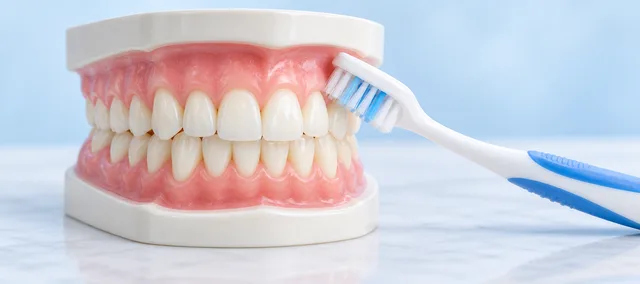
Plaque is a sticky film of bacteria that can contribute to gum disease. Early inflammation is called gingivitis; more advanced disease, called periodontitis, can damage the tissues and bone supporting teeth. Bleeding, swelling, receding gums, or persistent bad breath deserve a dental check. Gum disease can also develop without pain or obvious warning signs. ADA: Gum disease
Daily brushing and cleaning between teeth help control plaque, but hardened tartar needs professional removal. A dental professional can examine your gums, measure the pockets around your teeth, and check for bone loss when needed. Treatment depends on the findings and may include professional cleaning, deeper cleaning, or specialist care. Home care remains important alongside treatment. NIH: Gum disease care
Questions to ask your dentist:
What would you check to assess my gum health?
What changes should I bring to your attention?
What home-care routine and follow-up would you suggest for me?
General education only. Arrange a dental assessment for persistent bleeding, swelling, gum recession, or loose teeth; this guide cannot diagnose the cause.